New York Invests $13 Million to Strengthen Workforce Supporting Housing Growth

As New York continues working to address its housing shortage, another critical piece of the puzzle is receiving increased attention: the skilled workforce needed to build, renovate, and modernize homes.
Governor Kathy Hochul recently announced a $13 million investment through the New York Power Authority (NYPA) to expand workforce development programs that prepare New Yorkers for careers in construction, clean energy, and the skilled trades. The funding will support apprenticeships, pre-apprenticeship, and technical training programs designed to meet growing demand for qualified workers across the state.
For the real estate industry, the investment represents more than job creation. It addresses one of the key challenges affecting housing production: a shortage of skilled labor.
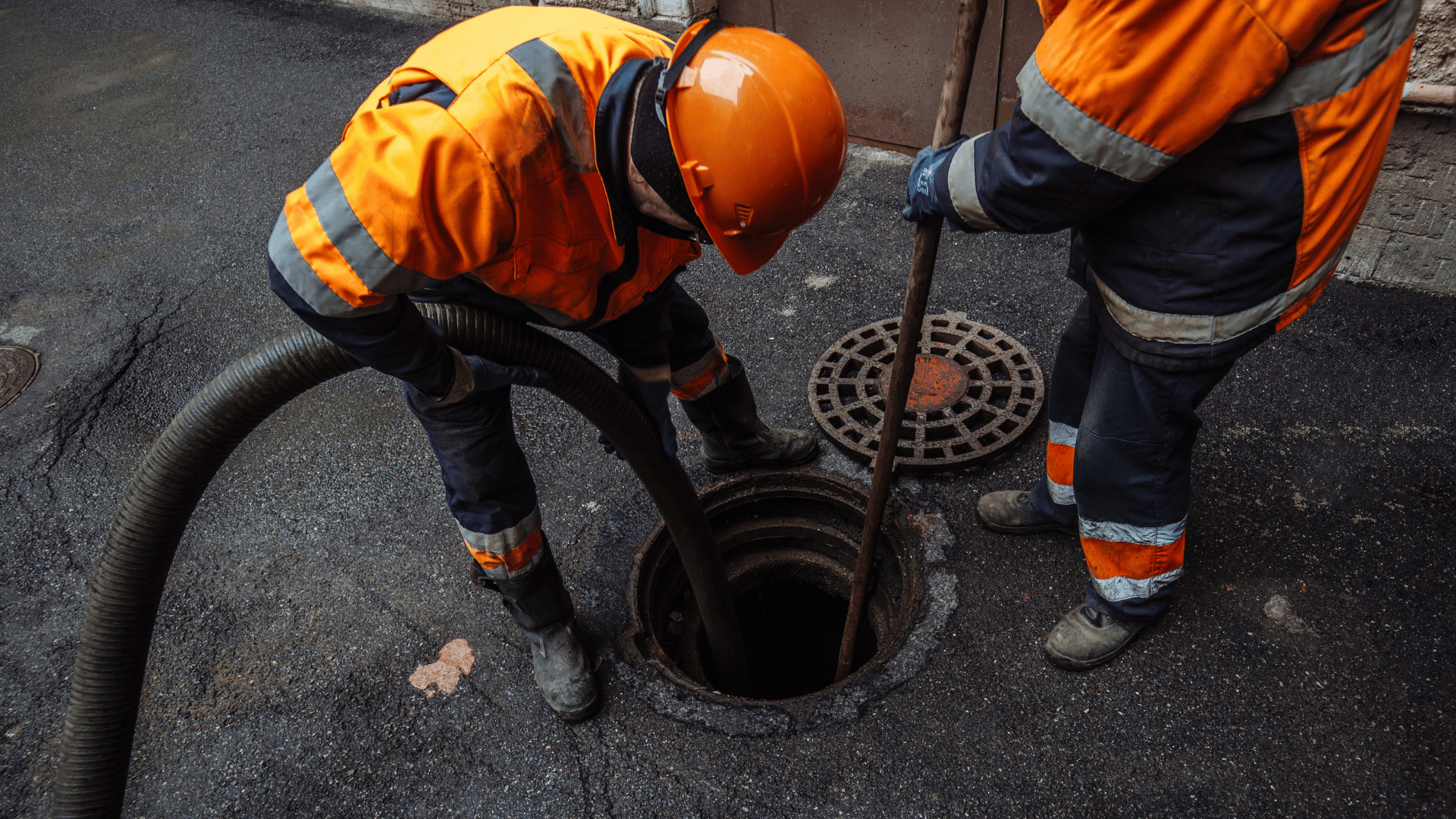
Builders and developers throughout New York have consistently cited workforce shortages as a barrier to completing new residential projects and renovating existing housing. From electricians and HVAC technicians to carpenters, laborers, and energy efficiency specialists, demand for skilled trades continues to outpace supply.
By expanding training opportunities, New York aims to strengthen the pipeline of workers needed to support housing construction, infrastructure improvements, and building modernization efforts.
The funding will help organizations across the state recruit and train workers for careers in high-demand industries, with an emphasis on preparing individuals for family-sustaining careers while supporting New York's long-term economic and energy goals. Several programs also focus on creating pathways into apprenticeship opportunities and expanding access for underserved communities.
The investment is particularly meaningful for the Hudson Valley. LiUNA Local 17, which serves the region, is among the organizations receiving funding to expand pre-apprenticeship and workforce training initiatives. Strengthening the local construction workforce can help support future residential development projects while creating additional economic opportunities throughout the region.
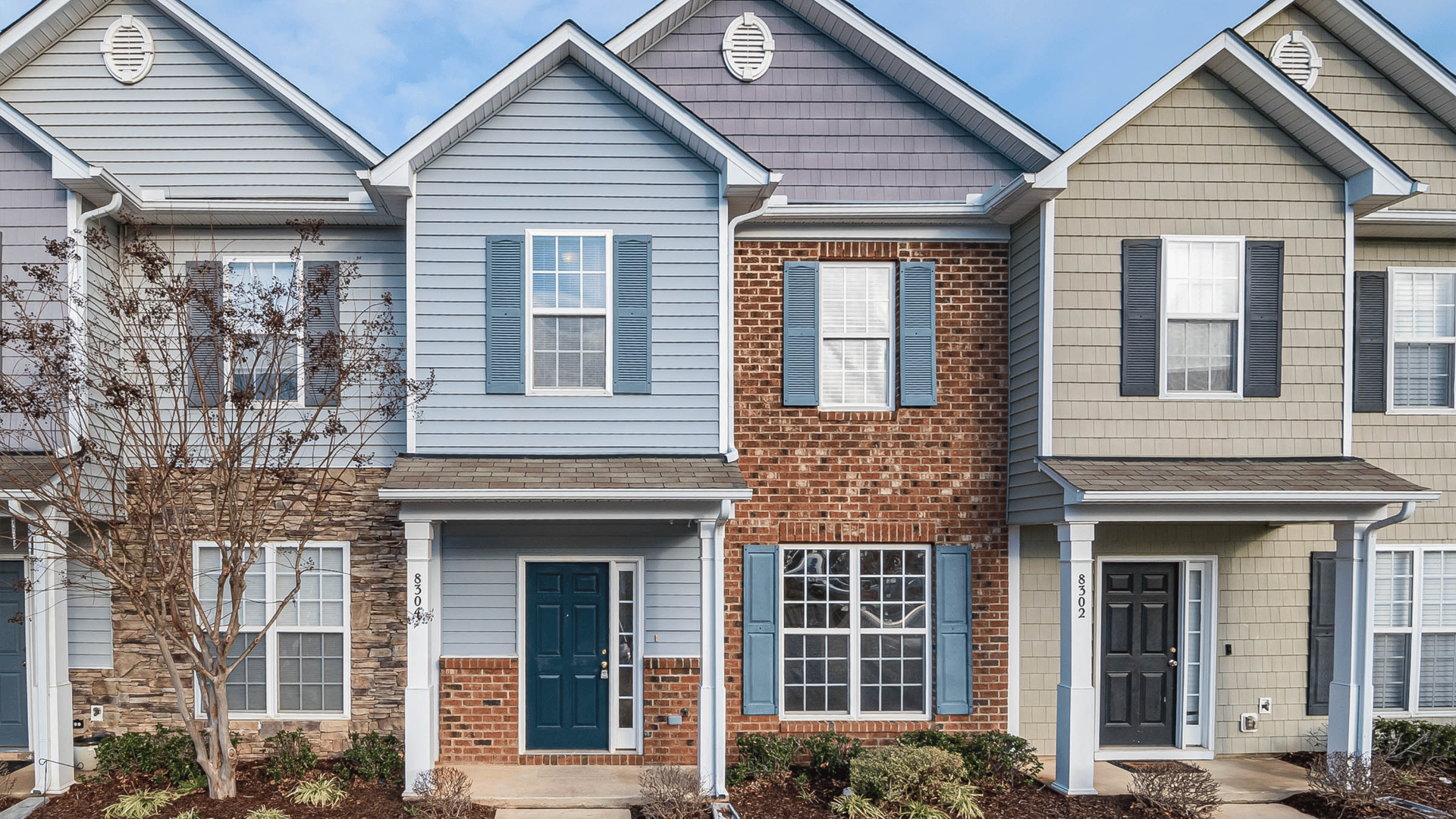
For REALTORS®, workforce development and housing supply are closely connected. While financing, zoning, permitting, and regulatory reforms remain essential to increasing inventory, homes cannot be built without the skilled professionals who construct them.
As New York continues advancing initiatives to increase housing production and improve affordability, investments in workforce development will play an important supporting role. Expanding the construction labor force helps create the capacity needed to build more homes, complete renovations more efficiently, and modernize the state's housing stock to meet the needs of today's buyers and homeowners.
While no single initiative will solve New York's housing challenges, developing a stronger skilled workforce represents another important step toward increasing housing opportunities and supporting long-term economic growth.
Source: Office of Governor Kathy Hochul and the New York Power Authority.