REID Update: Governor Hochul Defends New York's Approach to AI Data Center Development
As New York continues to shape its strategy for artificial intelligence (AI) infrastructure, Governor Kathy Hochul is reaffirming that the state remains committed to attracting AI investment while ensuring future growth is supported by reliable infrastructure and thoughtful planning.
In a recent letter published in The Wall Street Journal, Governor Hochul responded to criticism surrounding New York's temporary pause on approving new hyperscale AI data centers. The Governor emphasized that the state is not discouraging AI development but is taking time to establish a framework that balances economic opportunity with long-term energy, environmental, and community considerations.
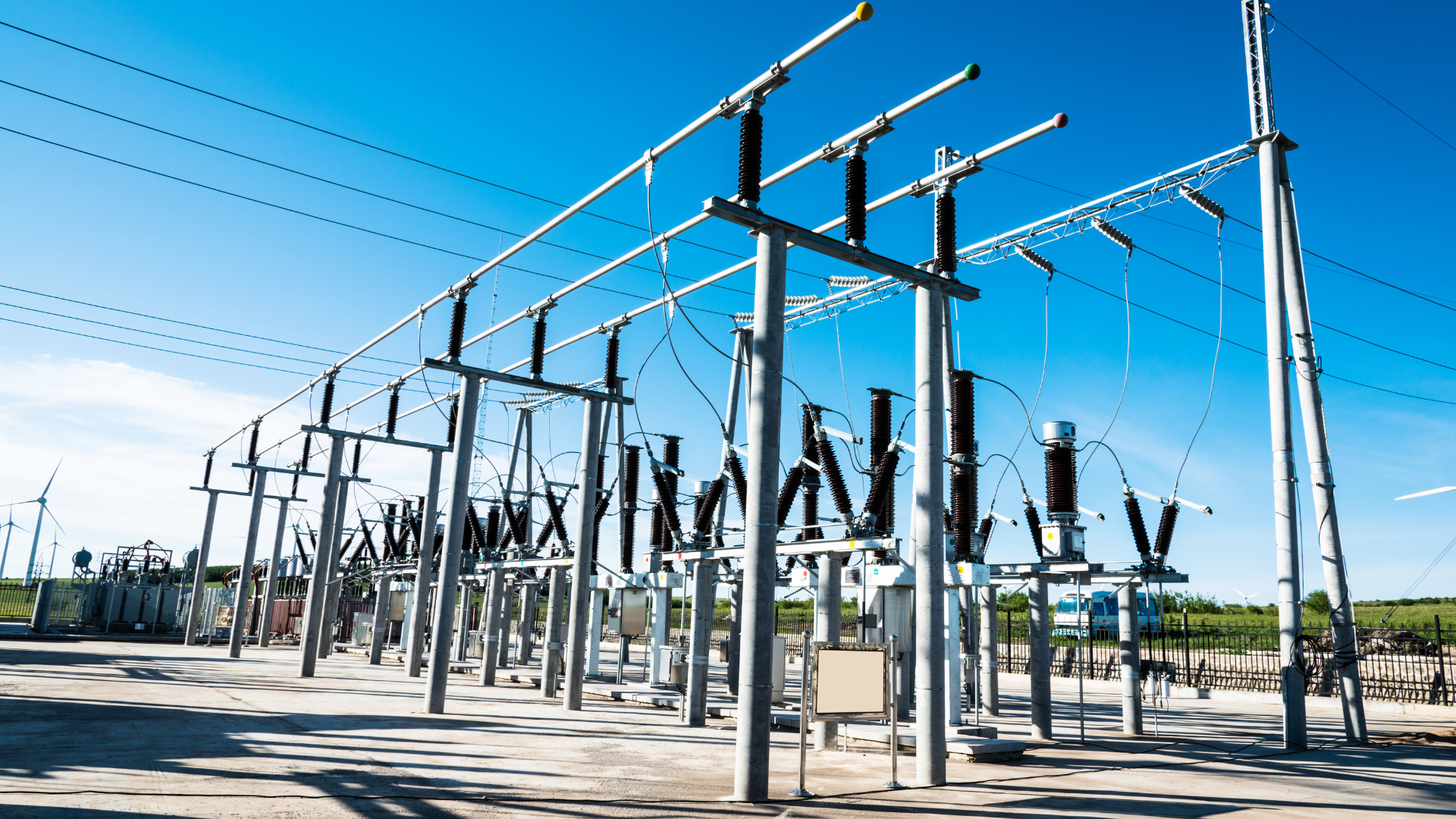
The temporary pause applies only to the largest proposed AI data centers, those with significant electricity demands, and does not affect existing facilities or smaller-scale projects. According to the Governor, the state is evaluating how these large developments could impact New York's electric grid, utility costs, natural resources, and local communities before moving forward with additional approvals.
The issue has sparked debate among technology leaders, business organizations, and policymakers. Supporters of the pause argue that it provides an opportunity to create clear standards that encourage responsible growth while protecting infrastructure and ensuring communities are prepared for increased demand. Critics, however, contend that delaying approvals could slow investment and encourage companies to pursue projects in other states competing for AI-related development.
The discussion highlights the rapidly growing role AI infrastructure is playing in commercial real estate and economic development. Hyperscale data centers require large industrial sites, robust utility access, high-speed connectivity, and significant capital investment. As demand for AI computing continues to accelerate, communities across the country are evaluating how to accommodate these projects while balancing local planning priorities and infrastructure capacity.
For New York's real estate industry, the conversation extends beyond technology. AI data centers have the potential to influence industrial land values, site selection, utility planning, municipal approvals, and regional economic growth. As state policymakers continue refining New York's approach, commercial real estate professionals, developers, municipalities, and investors will be watching closely for future guidance.
This latest update builds on REID's previous coverage of New York's temporary moratorium on new hyperscale AI data centers. While the policy remains under review, one thing is clear: AI infrastructure is becoming an increasingly important component of the state's economic development strategy. How New York balances innovation with responsible planning will help shape the future of commercial real estate and infrastructure investment for years to come.