It’s Not the Beginning of the End, but the End of the Beginning
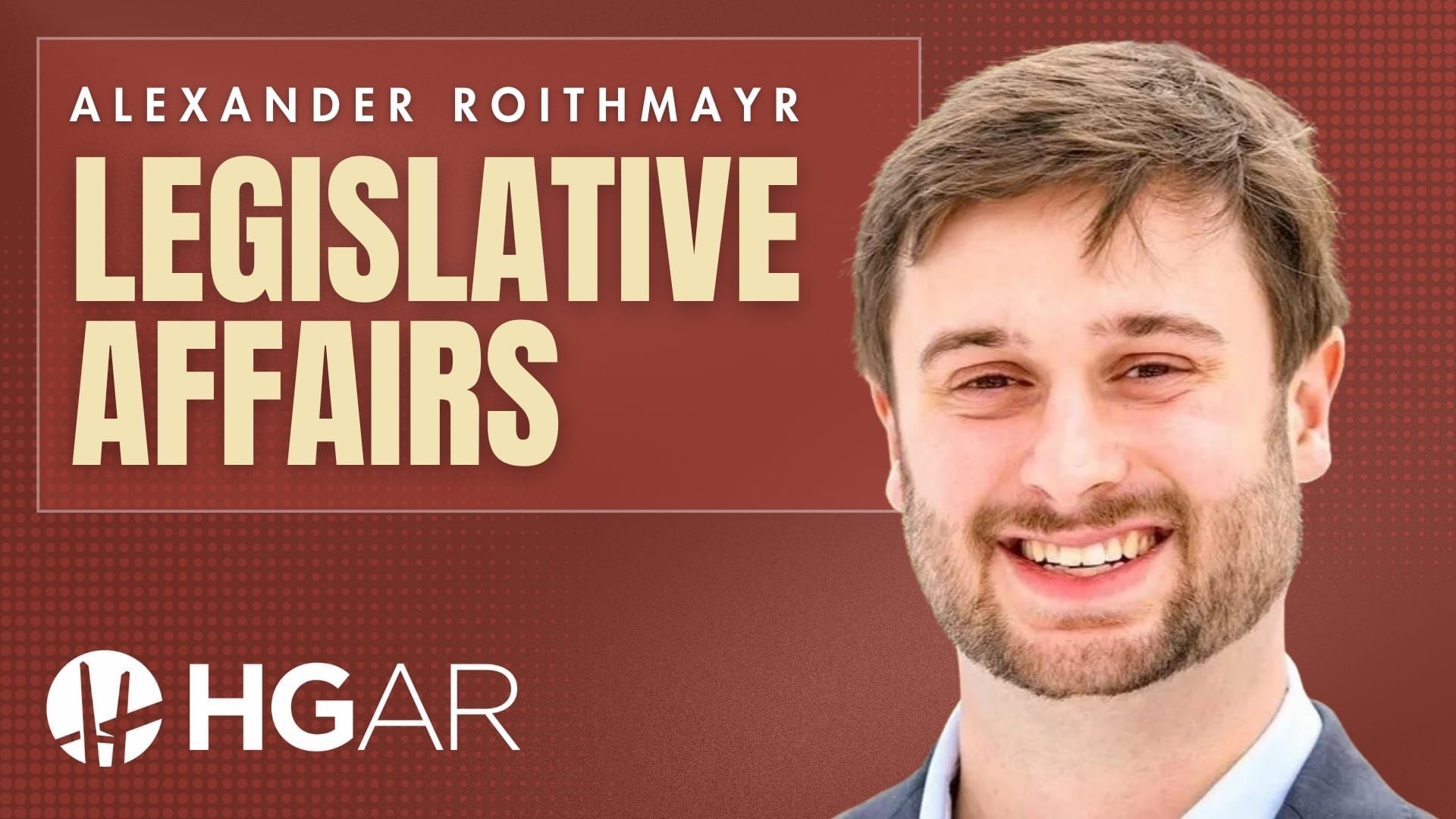
Earlier this month, the New York State Legislature wrapped up the 2024 Legislative Session. With Good Cause Eviction, maybe, being implemented across the state and a budget that was, barely, late, the Senators and Assemblymembers are ditching their trips to Albany for time in their districts, focused on their re-elections. This is all to say that the final stretch to November has started.
Along with the President, each state representative is up for re-election this year and will be on your ballot in November. So, keeping this in mind, let’s see what our state representation as a whole did on some of our issues.
A significant portion of our end-of-session efforts was focused on opposing legislative proposals that would have negatively impacted New York’s real estate sector. Here are some of the bills our state representatives listed to us and didn't advance:
- Legislation to eliminate dual agency in the state (S.9686 and A.9823)
- NY HEAT Act, which sought to expand state authority to discontinue natural gas services for homes and businesses (S.2016-B/A.4592-B).
- A bill prohibiting landlords from collecting rental broker fees from tenants (S.2783/A.4781).
- A requirement for sellers to provide a lead paint hazard test before any real estate transaction or lease (S.2353-A/A.4820-B).
- A mandate for real estate licensees to collect and report personal demographic data from clients annually (S.2352/A.10386).
- Authorization for any city or town to impose a new real estate transfer tax to fund community housing (S.7589-A/A.7496-A and S.4098-A/A.6257-A).
- Proposals to establish new real estate cease and desist zones in parts of New York City (S.7061/A.7527, S.7971/A.9332, A.6252).
- The “Tenant Opportunity to Purchase Act” (S.221-A/A.3353).
On the other hand, some notable legislation passed both the Senate and Assembly during the final days of the session:
- A state registry and regulations for short-term rentals (S.885-C/A.4130-C).
- The Climate Change Superfund Act, requiring certain fossil fuel companies to contribute to a fund for infrastructure addressing climate change issues (S.2129-B/A.3351-B).
The fight continues for a few other pieces of legislation that did not pass this year:
- Allow telemarketing during states of emergency (S.412/A.6680).
- Establish a first-time home savings account program (S.6574/A.6933).
- Increase transparency in the cooperative application process (S.2964-A/A.1778-A).
Overall, it was a mixed bag of successes in both defense and offensive advocacy, thus leaving us a lot of follow-up work to do before the next legislative session in 2025. It is worth noting again that Good Cause Eviction did pass during this legislative session but its wider effects of its implementation on a local level have yet to be realized. So, the session might be over, but the ripples continue.
I want to thank the team at NYSAR and all of you for fighting the good fight with me during this past legislative session. Each year, HGAR builds on the success of last year’s advocacy and this year was no different with record attendance on Lobby Day for both HGAR members and elected officials.
Although the year was not full of victories, the bills we stopped from advancing, including some more extreme versions of Good Cause Eviction, are worth celebrating. There was a real risk that news of the NAR settlement would darken the perception of our profession in the halls of Albany. This could have resulted in our having experienced a much different legislative reality. It was because of HGAR advocacy and the level of connection with our elected officials that helped maintain the narrative of professionalism that HGAR Realtors exemplify. And it is that professionalism and growing advocacy that will keep us strong going into the 2025 legislative session.