NYC’s Vacant Apartment Repair Program Misses the Mark for Housing Providers
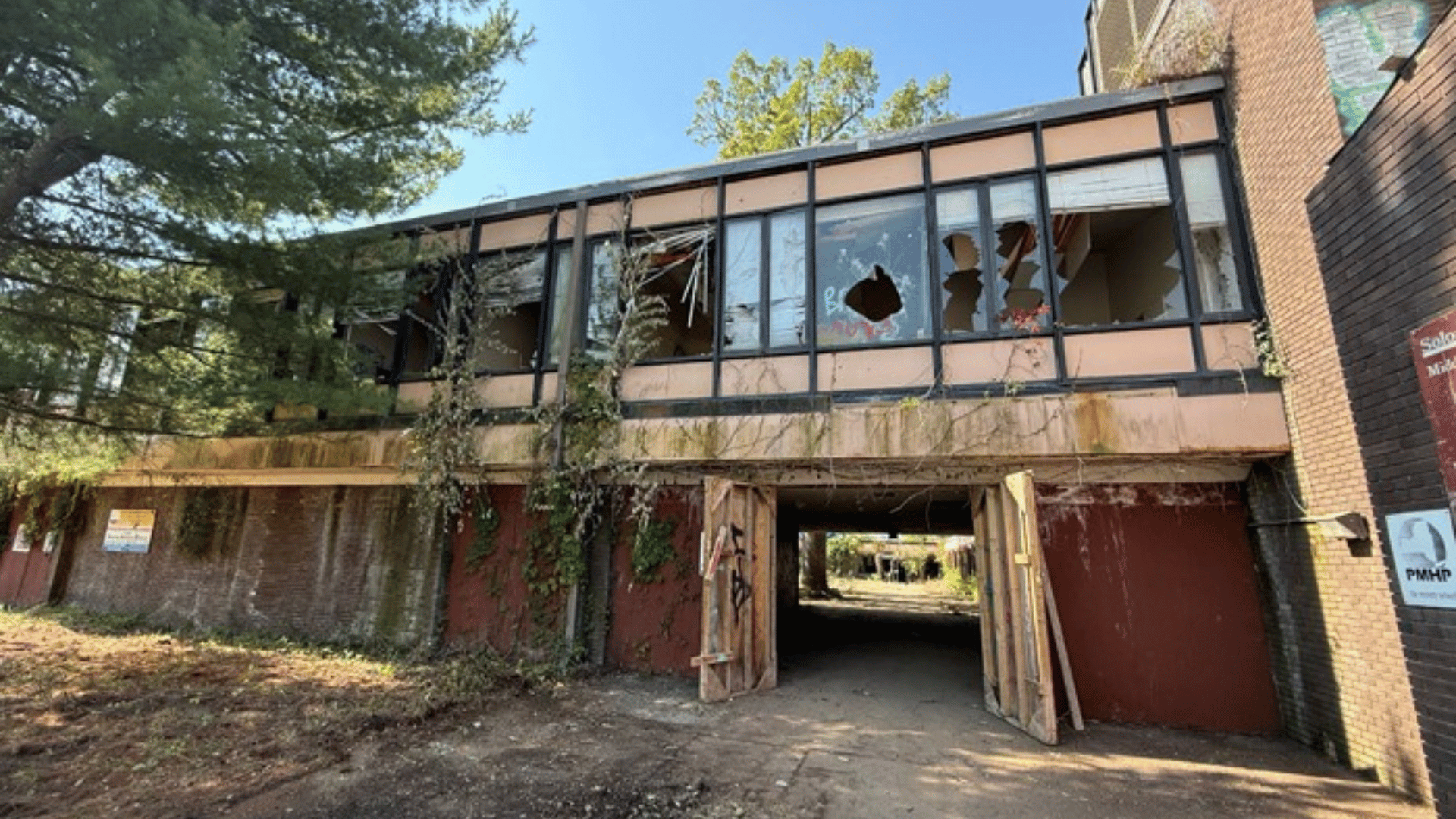
New York City recently rolled out the “Unlocking Doors Program,” which aims to encourage landlords to bring long-vacant rent-stabilized apartments back onto the market. The program now offers up to $50,000 per unit in renovation reimbursements, doubling its initial $25,000 incentive in an effort to attract more participation.
To qualify, apartments must have capped rents generally no more than $1,200 for a one-bedroom and $1,400 for a three-bedroom. Units that meet these criteria are uncommon, typically becoming available only when longtime tenants move out after decades in the same apartment. Even with repairs, landlords face tight restrictions on how much they can increase rent each year, or after completing renovations, making it difficult to recover the investment.
While the program is well-intentioned, the economics remain challenging. In many cases, property owners would have to re-rent apartments for a few hundred dollars per month after investing tens of thousands in repairs. Meanwhile, operating costs including taxes, insurance, utilities, and compliance with local safety and energy mandates often far exceed the rent, leaving landlords to shoulder ongoing losses.
This isn’t about landlords seeking higher profits; it’s about covering the basic cost of providing housing. No other industry is expected to sell a product below its cost of production, yet housing providers are often placed in that position.
The risks extend beyond finances. Owners must still manage the possibility of non-payment, meet regulatory and compliance obligations, and remain responsible for tenant safety. None of these responsibilities go away simply because the rent does not cover costs.
For Realtors and housing providers, the consequences are clear. Vacant units remain offline. Communities lose access to stable housing and the broader market suffers when policy fails to account for the real-world economics of property ownership.
HGAR supports the city’s goal of returning apartments to the market. However, as currently structured, this program is unlikely to achieve widespread participation. Without policies that align allowable rents with operating costs and share risk more equitably, landlords cannot be expected to absorb indefinite losses.
Our position is straightforward: affordability and sustainability must go hand-in-hand. HGAR will continue to work with policymakers to ensure that housing programs reflect economic realities and meet the needs of both communities and property owners.
About the author: Dr. Jermaine Meadows is the Director of Government Affairs for the Bronx for the Hudson Gateway Association of Realtors.