Putnam County Reconsiders Future of Prime Downtown Carmel Property
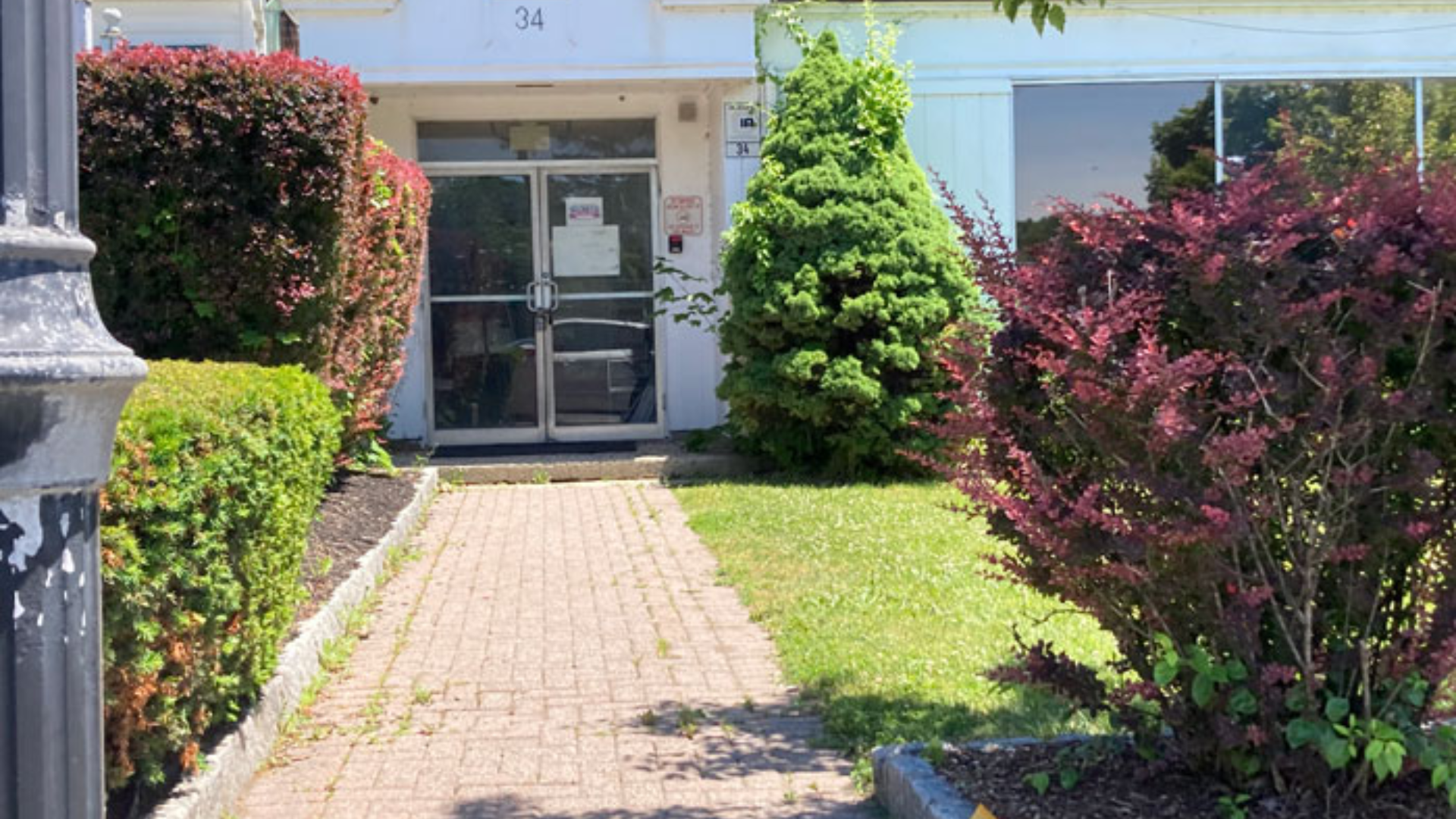
The future of one of downtown Carmel's most prominent commercial properties remains uncertain after Putnam County lawmakers voted to rescind plans to sell the site, reopening discussions about its long-term use and redevelopment potential.
The property, located at 34 Gleneida Avenue, occupies a highly visible location across from the Putnam County Courthouse and overlooking Lake Gleneida. County legislators recently voted to withdraw a previous resolution that would have authorized the sale of the property, opting instead to retain ownership while exploring alternative options.
The county had previously considered selling the site for approximately $600,000. However, officials indicated that additional discussions are needed before determining the property's future.
The decision highlights the challenges and opportunities associated with publicly owned real estate in downtown business districts. As communities throughout the Hudson Valley continue to evaluate redevelopment opportunities, government-owned properties often play an important role in shaping economic development strategies, community amenities and future investment.
County officials have suggested a range of possibilities for the site, including redevelopment opportunities, public uses and open-space concepts. Additional discussions are expected in the coming months as legislators and county staff evaluate potential options.
For the commercial real estate community, the decision leaves open questions about the highest and best use of a strategically located property in the heart of Carmel's downtown corridor. The site sits within walking distance of government offices, local businesses and community destinations, making it a potentially valuable asset for future development or public investment.
While no immediate plans have been announced, the Legislature's Physical Services Committee is expected to continue reviewing the property's future and evaluating opportunities that align with community and economic development goals.
Property at a Glance
Property: 34 Gleneida Avenue
Location: Downtown Carmel, Putnam County
Owner: Putnam County
Previous Action: Proposed sale rescinded by County Legislature
Prior Sale Price: Approximately $600,000
Current Status: County retaining ownership while evaluating future options
Potential Uses Discussed: Redevelopment, public/community use, open space and other alternatives
The Facts
- One of downtown Carmel's most visible commercial properties remains available for future redevelopment or community use.
- The site's location near the courthouse and county offices gives it strategic importance for economic development efforts.
- The decision underscores the role public-sector real estate can play in shaping downtown revitalization and land-use planning.
- Future plans for the property could influence investment and redevelopment activity in the surrounding area.