Data Center Tax Breaks Face New Scrutiny as New York Pauses Large Projects
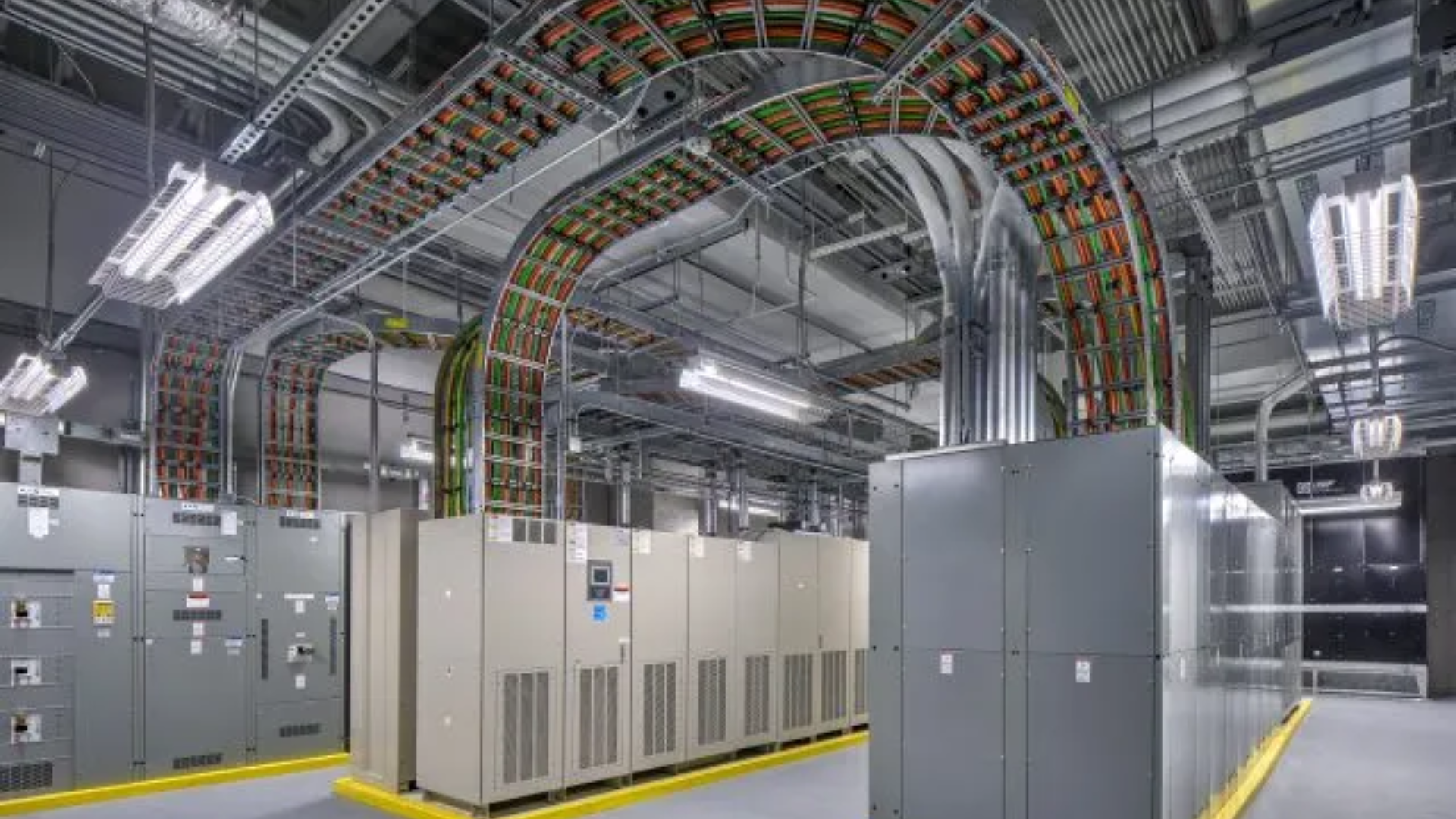
The growing demand for data centers is reshaping commercial real estate markets across the country, but in New York, the industry's rapid expansion is now fueling a debate over tax incentives, energy infrastructure and economic development.
The discussion gained renewed attention following recent reporting by The Journal News/lohud highlighting the substantial tax benefits received by data center operators under New York's long-standing sales tax exemption program. The report comes as state leaders move to reevaluate both the pace of data center development and the incentives that have helped attract investment to New York.
Earlier this week, New York became the first state in the nation to impose a one-year moratorium on new hyperscale data center facilities that consume 50 megawatts or more of electricity while state agencies study their impacts on energy infrastructure, water resources, land use and local communities.
The pause reflects growing concerns about the significant demands large-scale data centers place on electrical grids and public infrastructure. Supporters of the moratorium argue that additional review is necessary to ensure communities can accommodate future growth while maintaining reliability and affordability for residents and businesses.
At the same time, developers, economic development officials and business advocates warn that limiting new projects could discourage investment at a time when artificial intelligence, cloud computing and digital infrastructure are driving unprecedented demand for data center capacity nationwide.
National Attention on a Local Issue
The issue quickly moved beyond Albany this week when President Donald Trump publicly criticized New York's moratorium, arguing that restrictions on new data centers could push investment, jobs and tax revenue to competing states.
The comments underscore the growing national significance of data centers as an economic development tool. Supporters point to the industry's ability to generate major capital investment, construction activity and tax revenue, while critics question whether the facilities provide sufficient long-term economic benefits relative to their energy consumption and infrastructure demands.
The debate is particularly relevant in the Hudson Valley, where several communities have recently considered or debated data center proposals, moratoriums and infrastructure impacts. As AI-related demand accelerates, municipalities throughout the region may increasingly find themselves balancing economic opportunity against concerns about energy capacity, land use and quality of life.
Tax Incentives Under Review
New York's data center tax exemption program was originally designed to attract technology investment and support economic growth. However, as facilities have grown larger and more energy-intensive, policymakers are taking a closer look at whether the incentives continue to deliver sufficient public benefit.
State leaders have indicated they will pursue the repeal of certain tax exemptions tied to data center development as part of a broader review of the industry's impact on New York communities.
For the real estate industry, the discussion highlights the emergence of data centers as one of the fastest-growing sectors in commercial development. Once considered a niche asset class, data centers now influence land-use planning, infrastructure investment, industrial real estate demand and economic development strategies across the state.
The Bigger Picture
Growing Demand: Artificial intelligence and cloud computing are fueling record demand for data center development nationwide.
State Moratorium: New York has enacted a one-year moratorium on new hyperscale data centers requiring 50 megawatts or more of power.
Policy Review: State officials are evaluating existing tax incentives and their impact on local communities.
Regional Relevance: Hudson Valley communities continue to grapple with questions surrounding data center development, energy infrastructure and land-use priorities.
Why It Matters: As communities compete for economic development opportunities, the debate over data centers is increasingly shaping decisions about growth, infrastructure investment and the future of commercial real estate.
Note: This article was inspired by recent reporting from The Journal News/lohud examining data center tax incentives in New York and subsequent developments related to the state's data center moratorium.