Federal Lease for Newburgh Warehouse Sparks Discussion on Future Industrial Development
A proposed federal lease for a commercial property in Orange County is drawing attention from local officials and residents while highlighting the growing importance of industrial real estate near key transportation corridors in the Hudson Valley.
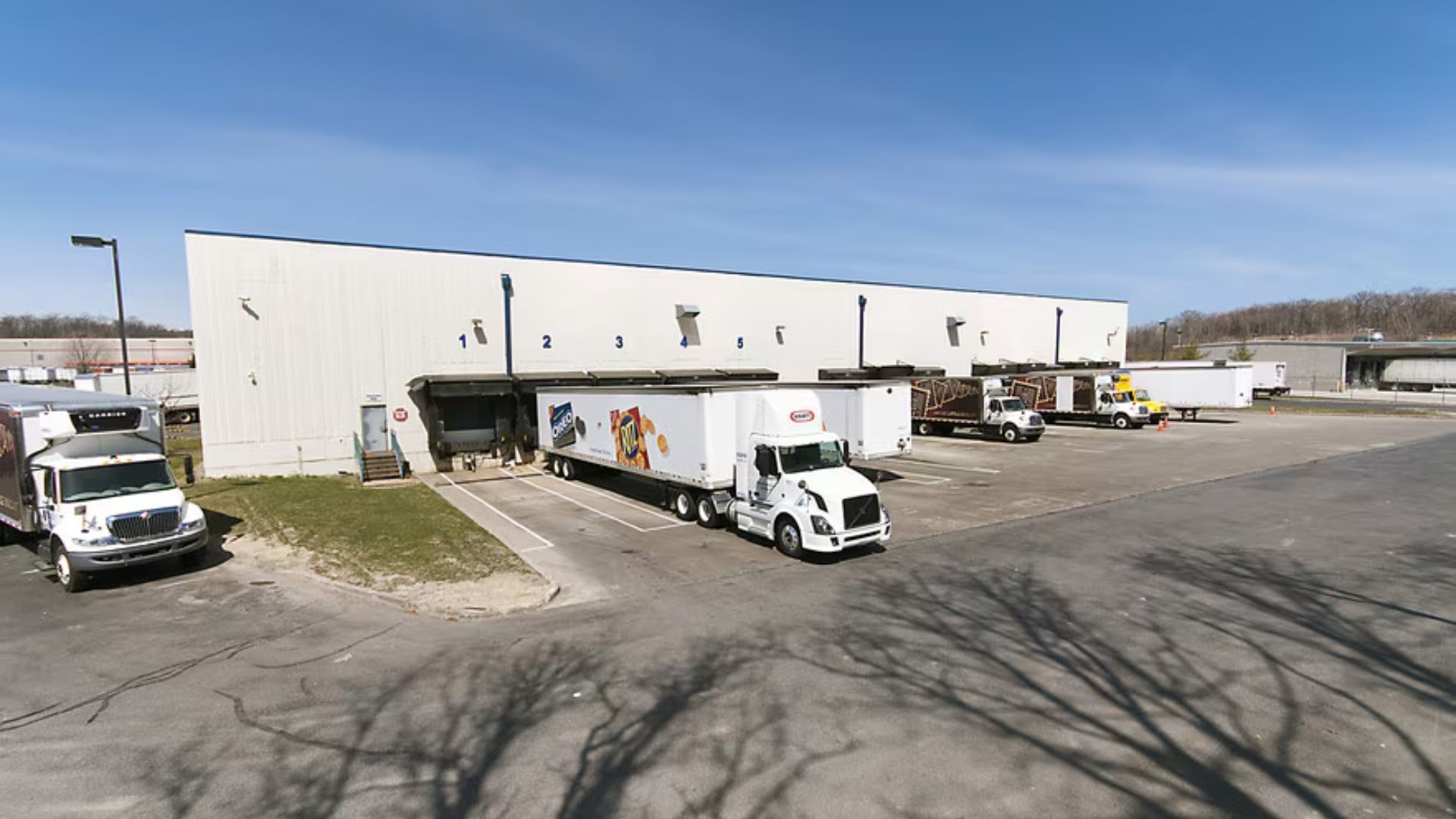
According to public reports, the federal government has entered into a 15-year lease agreement valued at approximately $35.5 million for a warehouse property located at 800 Corporate Boulevard in the Town of Newburgh. The facility, located near Stewart International Airport, is reportedly being considered for use by U.S. Immigration and Customs Enforcement (ICE).
The proposal has generated significant discussion among local leaders, many of whom have expressed concerns about the approval process and the lack of advance communication regarding the project. Local officials have indicated they were not consulted before details of the lease became public.
While much of the public conversation has focused on the proposed use of the facility, the project also raises broader questions about industrial property utilization, federal leasing activity, and economic development within the region.
For real estate professionals, the proposal underscores the continued demand for strategically located industrial and logistics properties throughout the Hudson Valley. Facilities situated near major transportation assets—including airports, interstate highways, and distribution networks—have become increasingly attractive to a diverse range of public and private users.
Stewart International Airport and the surrounding commercial corridors have long been viewed as important economic development assets for Orange County. As demand for industrial space continues to evolve, large-scale leasing decisions by government agencies and institutional users can influence development patterns, property values, infrastructure planning, and future investment opportunities.
The project also highlights the growing role that industrial real estate plays in supporting government operations, logistics, and specialized facility needs. As communities balance economic development opportunities with local concerns, projects of this scale often generate discussions about transparency, community impact, and long-term land use planning.
As additional information becomes available, local officials and stakeholders are expected to continue evaluating the potential economic and community implications of the proposal.
Industrial properties remain one of the most active sectors of the commercial real estate market. Large leasing commitments, particularly those involving government agencies, can shape future investment decisions, influence surrounding development, and reinforce the strategic importance of transportation-connected sites throughout the Hudson Valley.