New York Invests $4.2 Million in Long Island Aquaculture, Strengthening Local Economies and Coastal Communities
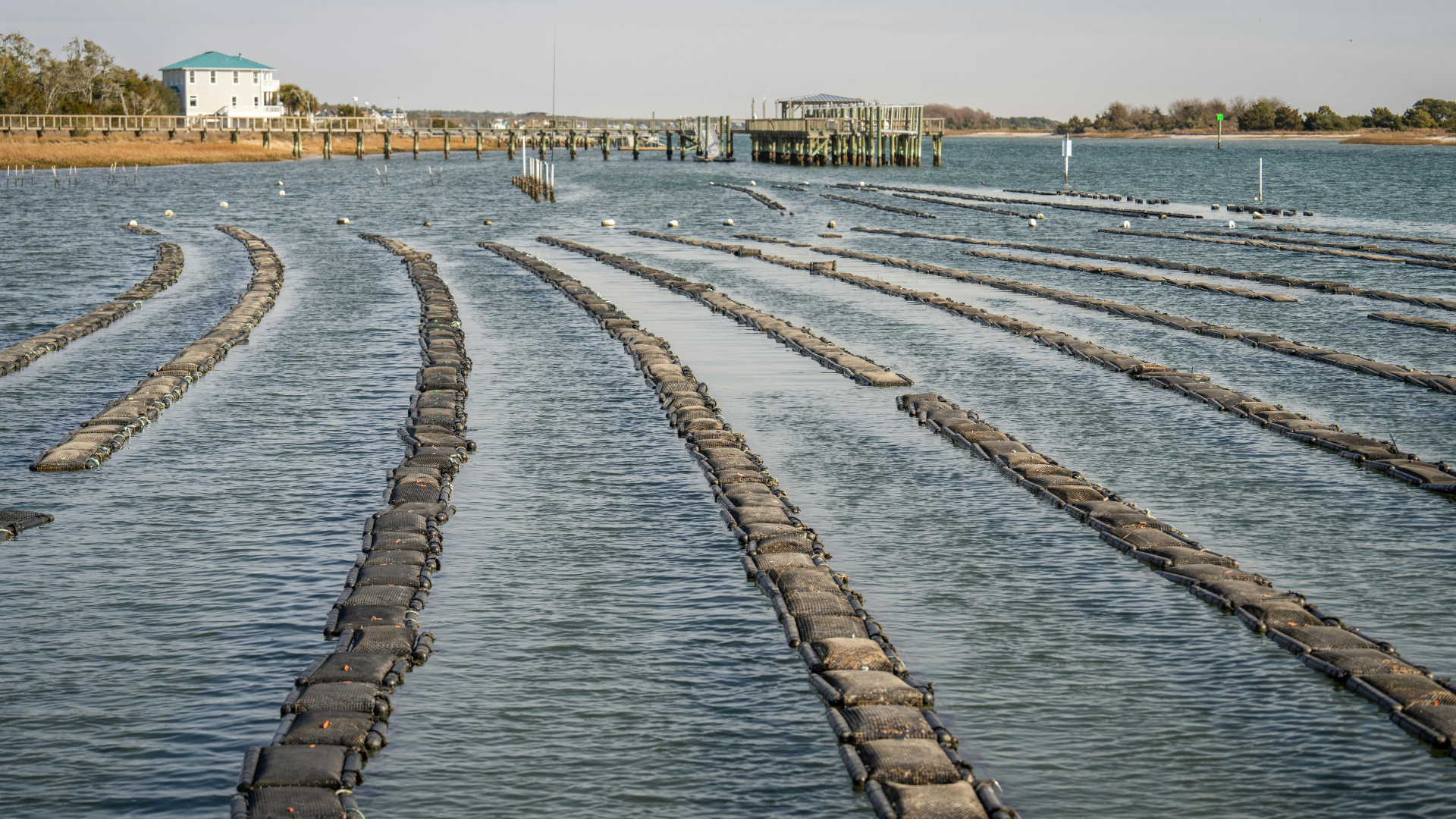
New York State is continuing its push to strengthen local industries and regional economies with a new investment aimed at Long Island’s growing aquaculture sector.
Kathy Hochul recently announced $4.2 million in total funding dedicated to supporting the region’s aquaculture industry, with $3 million awarded to 14 small businesses through the second round of the Long Island Aquaculture Infrastructure Grant Program.
Supporting a critical but often overlooked sector
While much of the housing and economic development conversation in the Hudson Valley and surrounding regions centers on residential supply and affordability, this investment highlights another key component of community stability: local industry.
Aquaculture, particularly shellfish farming, represents a significant portion of Long Island’s agricultural economy. According to the most recent data, the sector accounts for more than 25 percent of farms on Long Island, with over 170 operations generating more than $14.5 million in sales.
These are largely small, family-run businesses that contribute not only to the local food supply, but also to employment, tourism, and the preservation of working waterfronts.
What the funding will do
The newly announced funding is focused on infrastructure improvements that allow aquaculture businesses to scale and operate more efficiently.
Grants will support projects such as construction, renovation, and installation of docks, equipment, and operational facilities.
This builds on an earlier round of funding that prioritized equipment upgrades, creating a more comprehensive approach to strengthening the industry from production to distribution.
The initiative is part of the state’s broader Blue Food Transformation strategy, designed to increase demand for locally sourced seafood while reinforcing regional food systems.
A response to recent challenges
The timing of this investment is particularly notable.
Earlier this year, Long Island aquaculture producers experienced significant losses due to extreme winter weather, including prolonged freezing conditions that disrupted harvesting and damaged infrastructure.
State officials estimated approximately $2.4 million in losses across the industry, underscoring the vulnerability of coastal economies to climate-related impacts.
This funding, alongside efforts to secure federal disaster relief, is positioned as both a recovery tool and a long-term resilience strategy.
Why this matters for real estate and regional growth
For the real estate community, investments like this are not isolated economic stories. They are directly tied to broader market dynamics.
Strong local industries support job creation, stabilize communities, and sustain demand for housing. In coastal regions, preserving working waterfronts and marine based economies also plays a role in maintaining the character and identity of communities, which can influence both residential and commercial real estate values.
Additionally, initiatives that strengthen local food systems and tourism can drive secondary economic activity, from hospitality to retail, further reinforcing regional growth.
Connecting the dots across regional priorities
Across the Hudson Valley and greater New York region, recent announcements have focused on housing, affordability, infrastructure, and economic development.
This investment adds another dimension to that conversation.
It reinforces the idea that sustainable communities require a balance of housing, industry, and environmental stewardship. Supporting aquaculture is not just about seafood production. It is about protecting local economies, enhancing resilience, and ensuring that coastal communities remain viable places to live and work.