“Let Them Build”: New York Takes Major Step Toward Faster Housing Development

New York State is taking one of its biggest steps in decades to address the housing crisis.
Governor Kathy Hochul recently signed legislation as part of her new “Let Them Build” agenda, a sweeping package of reforms designed to make it easier, faster, and more affordable to build housing and critical infrastructure across the state. The legislation includes significant updates to the State Environmental Quality Review Act (SEQRA), marking the most substantial reforms to the law since it was enacted in 1975.
For years, REALTORS®, developers, municipalities, and housing advocates have argued that lengthy environmental reviews and overlapping approval processes have delayed projects, increased construction costs, and ultimately limited housing inventory across New York. According to the Governor’s office, projects in New York can take more than 50% longer to move from concept to groundbreaking compared to peer states.
The new reforms aim to streamline approvals for certain housing and infrastructure projects that are determined to have minimal environmental impact. State officials estimate the changes could reduce project timelines by as much as two years and lower development costs by up to $82,000 per housing unit.
Among the key changes:
- Certain qualifying housing developments on previously disturbed land may now avoid duplicative environmental review requirements.
- Environmental review timelines will be shortened, with new limits placed on how long agencies can take to complete reviews.
- The reforms prioritize projects connected to existing infrastructure such as water and sewer systems.
- Additional fast-tracking measures apply to clean water projects, parks, child care centers, and green infrastructure improvements.
The legislation still maintains environmental protections and local zoning authority, according to the Governor’s office. Sensitive areas such as wetlands, flood zones, and historic or undeveloped natural lands remain subject to review requirements.
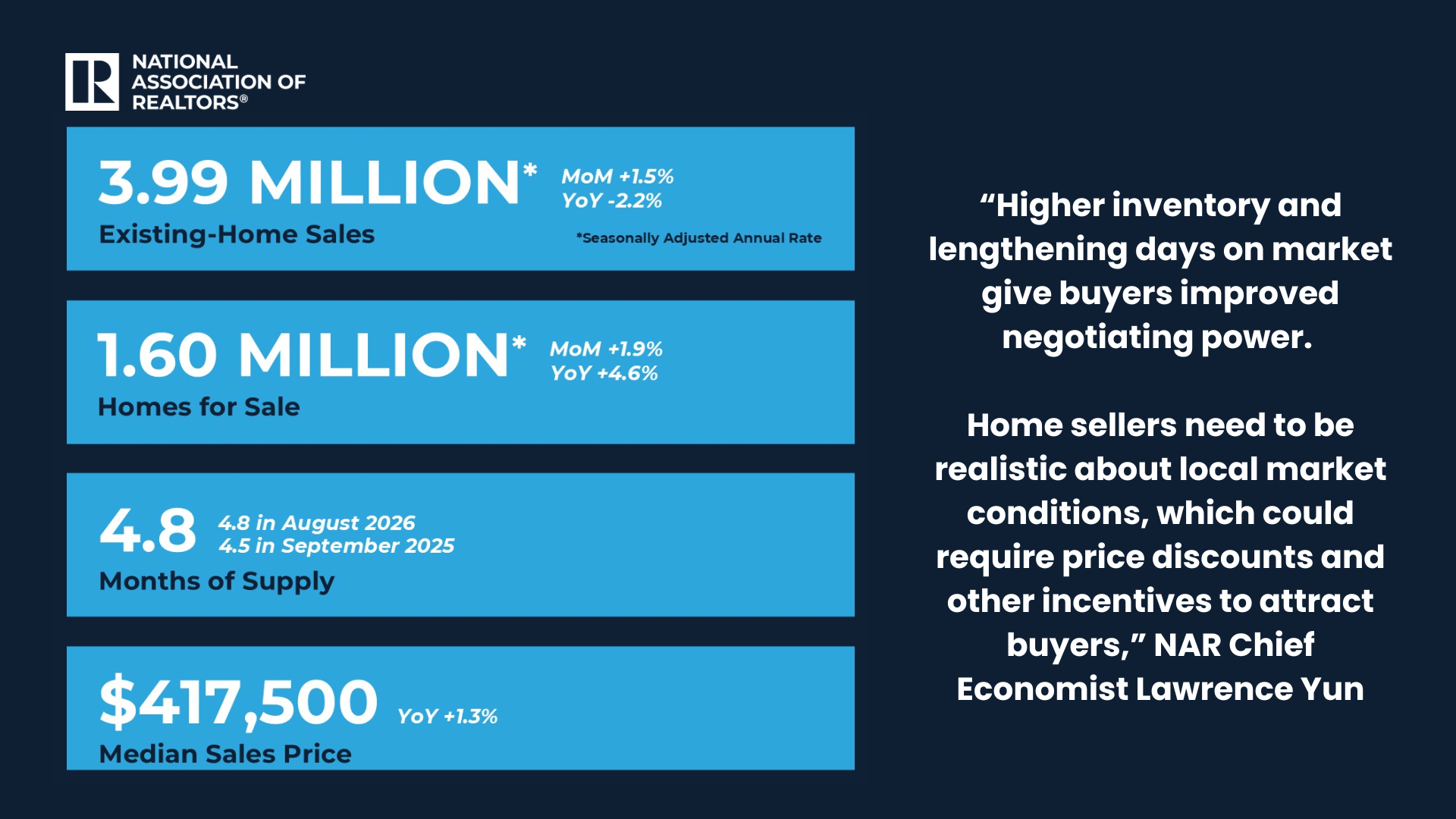
Housing affordability and inventory shortages continue to be major challenges throughout New York, including many communities in the Hudson Valley and New York City suburbs. Industry leaders have long argued that reducing unnecessary delays is a critical step toward increasing housing supply and improving affordability for consumers.
The reforms have generated support from many pro-housing advocates and members of the real estate industry, while some environmental groups have expressed concern about reducing review requirements.
As New York continues to grapple with rising housing costs and limited inventory, the “Let Them Build” initiative signals a major policy shift focused on accelerating development and removing barriers to new housing construction statewide.
Read more about the legislation here: Governor Hochul’s “Let Them Build” Agenda