LIRR Strike Creates Major Commuter Disruptions Across New York Region
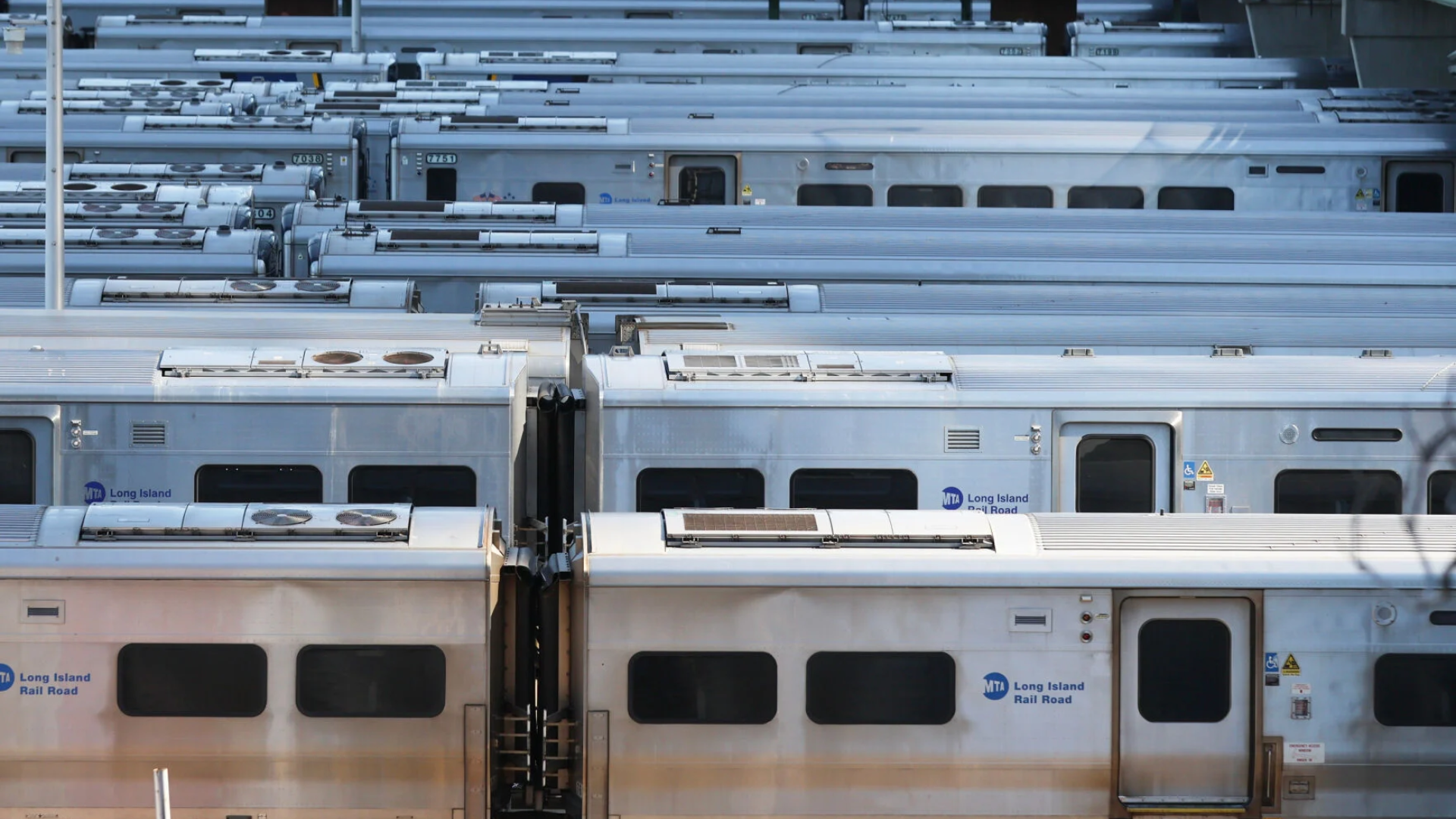
The ongoing Long Island Rail Road strike is creating widespread transportation challenges for hundreds of thousands of commuters across the New York metropolitan area, prompting emergency response measures from state officials and renewed debate surrounding affordability, labor negotiations, and regional transit infrastructure.
Governor Kathy Hochul held a public briefing this week alongside Metropolitan Transportation Authority leadership as the strike entered its third day, emphasizing the significant impact the shutdown is having on Long Island residents and the broader regional economy. The strike marks the first major LIRR work stoppage in more than 30 years.
Approximately 3,500 unionized LIRR workers walked off the job after contract negotiations stalled over wage increases and healthcare costs. The Long Island Rail Road, operated by the MTA, typically serves nearly 300,000 daily riders and is considered the busiest commuter rail system in North America.
During the briefing, Governor Hochul stated that while New York remains “a pro labor state,” the MTA cannot agree to a contract that would significantly increase fares or taxes for residents. She stressed that affordability remains a key priority for the administration amid already elevated living costs across the region.
To help offset commuter disruptions, the state and MTA have deployed shuttle buses connecting Long Island commuters to subway stations in Queens and expanded regional transit alternatives. Officials have also encouraged residents to work remotely where possible while negotiations continue. Nassau County customers should also consider using NICE Bus to connect to/from points in Queens, both at peak and reverse peak times. NICE will provide additional service starting Monday, May 18 to/from key transit hubs in Hicksville, Mineola, Great Neck, and Freeport. Learn more about this additional service.
The strike has intensified political debate throughout the region, particularly regarding congestion pricing, transit funding, and labor relations. Nassau County Executive Bruce Blakeman has called for congestion pricing tolls to be suspended during the strike, arguing that many commuters have been forced to drive into Manhattan due to the rail shutdown.
For real estate professionals throughout the Hudson Valley and New York City suburbs, the disruption highlights the continued importance of transportation infrastructure in shaping housing demand, commuting patterns, and regional economic stability. Transit accessibility remains one of the strongest drivers of home values and buyer interest across many suburban communities.
Negotiations between union leadership and the MTA are expected to continue as officials work to restore rail service and minimize further disruption ahead of the busy summer travel season and Memorial Day weekend.